Marketing to the Modern Consumer
-
Auckland
XX:XX:XX GMT+XX
Marketing to the Modern Consumer In a saturated market, products alone are rarely enough to make a lasting impression. Modern consumers buy into identity, perception, and the world a brand creates around itself.
The Role of Brand
The modern consumer doesn’t just buy products. They buy into an identity, a lifestyle, hype.
In a market flooded with endless variations of the same product, function alone is rarely the differentiator. Most products will do the job. What separates one from another is identity.
Branding is your business’s identity, built through every touchpoint. It lives in your social presence, your story, your community, your customers, your visual language, your tone of voice, your values, and the culture you create around the product. It is not one thing. It is the cumulative effect of everything.
© Rhode
Rhode and Brand
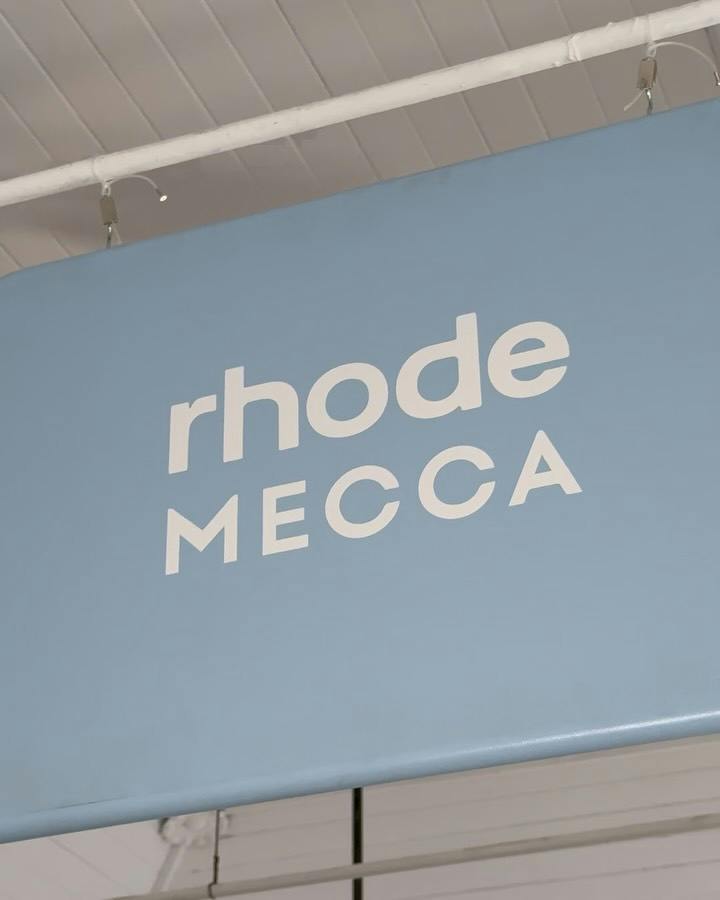
The launch of Rhode into Australia and New Zealand proved this.
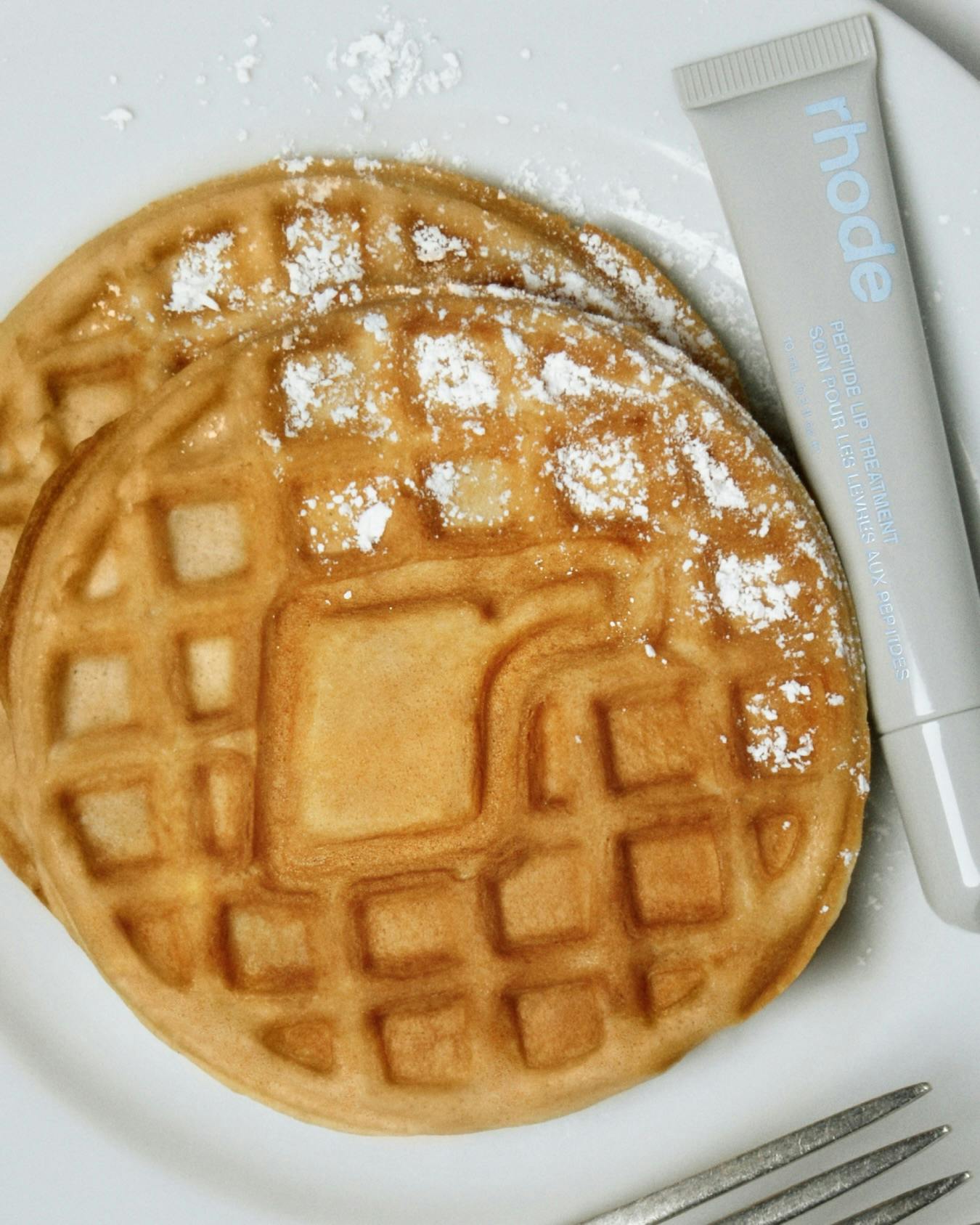
Consumers weren’t lining up because they had clinically compared product ingredient lists. They were buying into the world Hailey Bieber created. They wanted proximity to the lifestyle, the aesthetic, the status, and to be part of the cultural moment that Rhode represents.
Since Rhode first launched, Australia and New Zealand watched from the sidelines while Rhode built anticipation globally. When the brand finally launched locally, it wasn’t just a product drop, it was an event. They then dropped a Mecca-exclusive product, creating scarcity and reigniting demand on an international scale. This was strategic and reinforced consumer desirability, positioning the brand as exclusive and limited, therefore increasing the brand’s perceived value.
Birkenstock and Brand
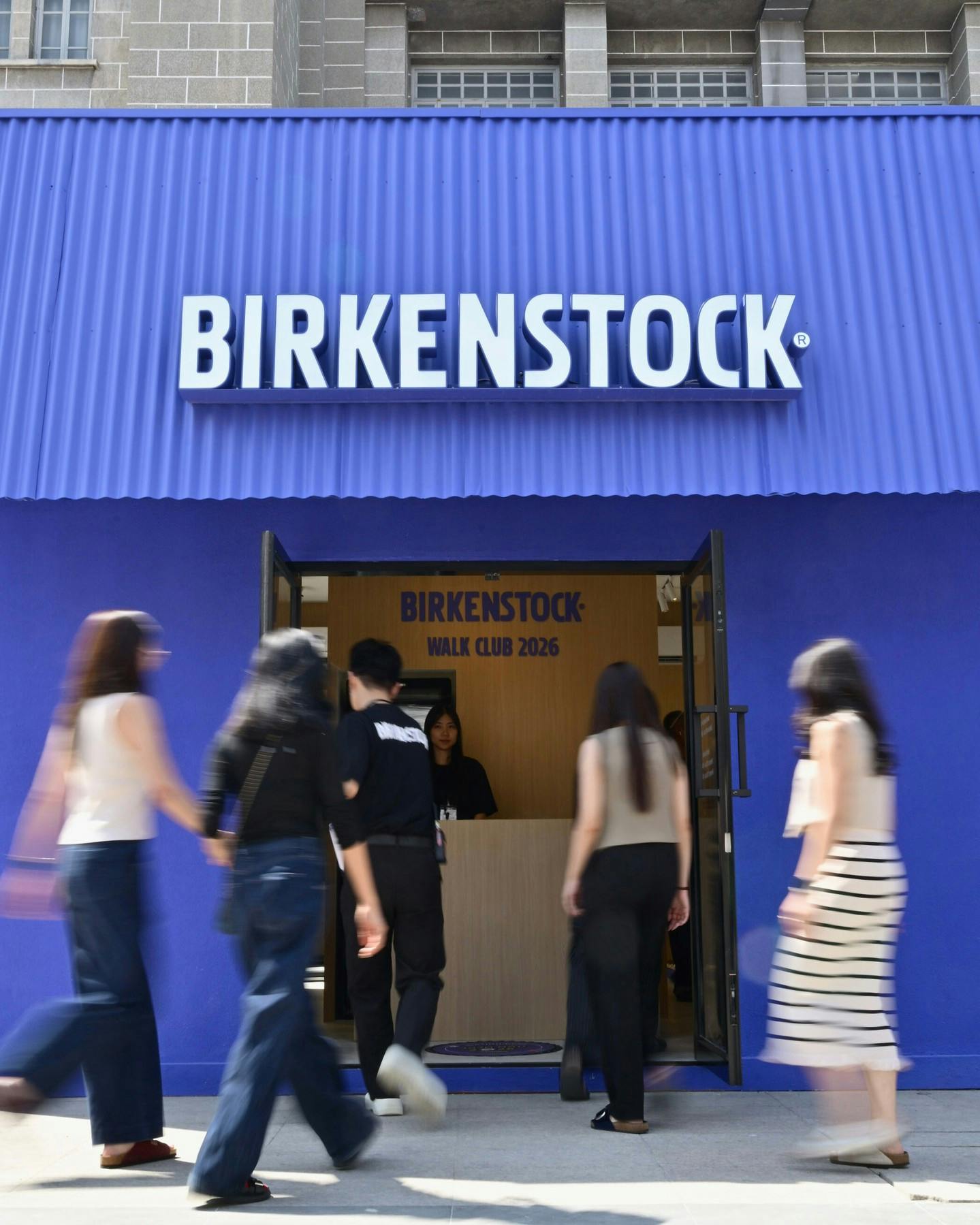
Birkenstock is another example of how a brand can reshape perception and extend cultural relevance. At its core, it is a simple sandal. For many years, it was associated with practicality and comfort rather than style, often compared to a sensible summer school shoe. Today, however, Birkenstock sits comfortably in many people's everyday wardrobes and has even recently been spotted on brides. They’ve proven that consumers are willing to buy into a narrative that elevates the perceived craftsmanship and status attached to the product.

© Birkenstock
The product itself hasn’t changed drastically, but its positioning has. Through considered collaborations, consistent storytelling around craftsmanship and comfort, and alignment with fashion-forward communities, Birkenstock reframed what the sandal represents. It is no longer viewed as simply functional. It signals ease, confidence, and understated style.
Without this brand evolution, Birkenstock may still have existed as a practical footwear company, but it would not hold the same cultural weight as it does now. Birkenstock did not reinvent the sandal, they rebuilt their brand.
Brand Challenges
Rhode and Birkenstock are solving very different brand challenges.
For Rhode, branding was used to create demand before widespread accessibility existed. Scarcity, anticipation, and cultural relevance helped accelerate awareness and desirability within a crowded category.
For Birkenstock, the product already existed, but consumer perception needed to evolve. Through repositioning and cultural alignment, the brand reshaped what the product represented.
Brand, Human Perception, and Decision-Making
As consumers, we have an endless amount of choice. Most options would satisfy us at a functional level. Increasingly, what influences our decision is alignment. Does this brand reflect who I am? Or who I want to be? How will I be judged or perceived for using this product?
It is often misunderstood as surface-level marketing. A pretty Instagram feed or nice PR mailer.
But brand is the consistency of story across every interaction. It is the experience someone has on your website. The way your product is packaged. The language in your emails. The people you collaborate with. It’s all the details. When identity is clear and consistent, every campaign, collaboration, and launch feels connected rather than reactive. Marketing stops feeling like a series of isolated moments and starts to feel intentional. Consumers recognise this even if it's the subconscious thread that ties everything together.
Humans make decisions emotionally before we can justify them logically. Brand shapes our emotional response. It builds trust before price or shipping logistics are even considered. Good brands create desire before we can even question if we need a new product.
As consumers, we feel when something is considered, and we feel when something is not. In a saturated market, brand gives a business clarity and direction. It shapes perception, guides decision-making, and gives marketing something meaningful to amplify, building the foundation for long-term growth.
At New Territory, we believe brand is integral to growth. The strongest businesses build ecosystems where brand is embedded across every digital touchpoint, shaping the website experiences that build trust and the paid campaigns that convert demand. When these elements work together, marketing becomes far more than traffic generation. It becomes sustainable growth.
Continue reading